
-
Professional Laser Level
Regular price From $199.90 USDRegular price -
Laser Level for Deck Building | DeckLine 360™
Regular price From $99.90 USDRegular price -
Green beam laser level
Regular price $149.90 USDRegular price -
Grid laser level
Regular price From $179.90 USDRegular price -
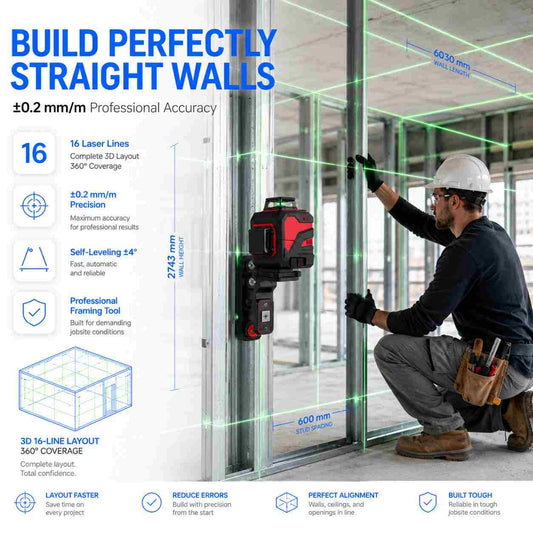
Framing laser level
Regular price From $179.90 USDRegular price -
Excavator laser level
Regular price $799.90 USDRegular price -
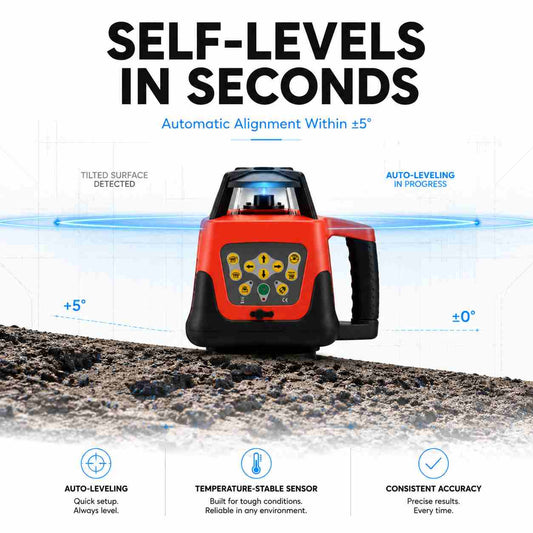
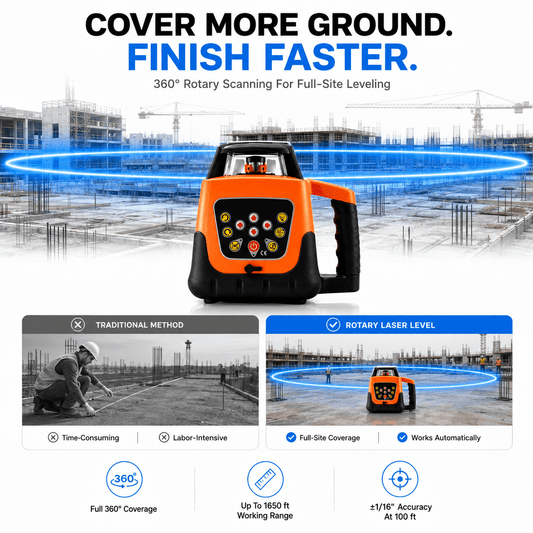
Construction Rotary Laser Level
Regular price $899.90 USDRegular price -
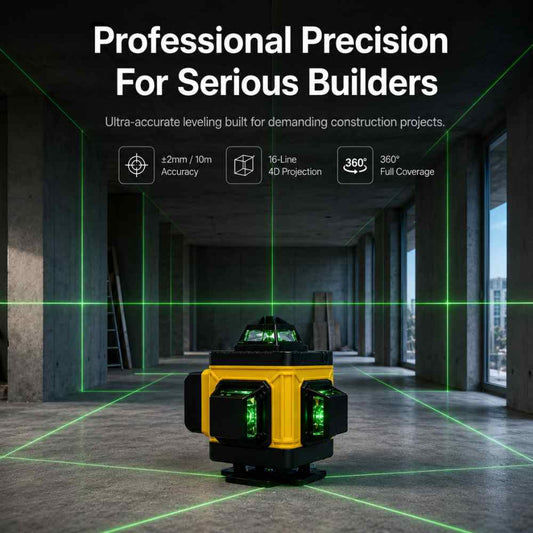
Builders laser level | BuilderPro 4D 360
Regular price $129.90 USDRegular price -
4d Laser Level
Regular price $199.90 USDRegular price -
Laser level for wallpapering | WallBeam
Regular price From $69.90 USDRegular price -
Laser level compact | CompactBeam Pro
Regular price From $49.90 USDRegular price -
Mini laser level | GoBeam
Regular price From $49.90 USDRegular price -
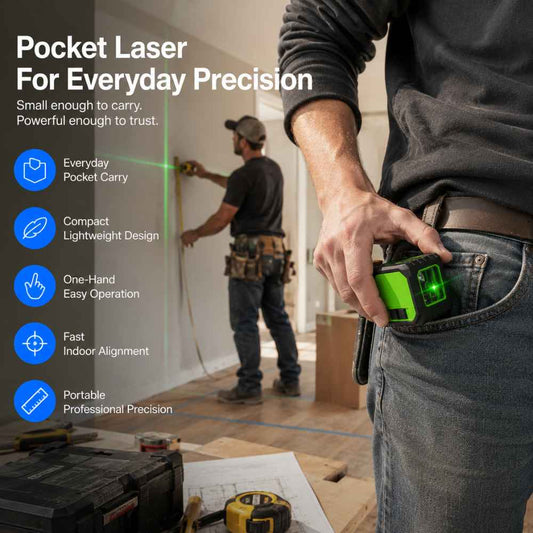
Pocket laser level | PocketBeam
Regular price From $49.90 USDRegular price -
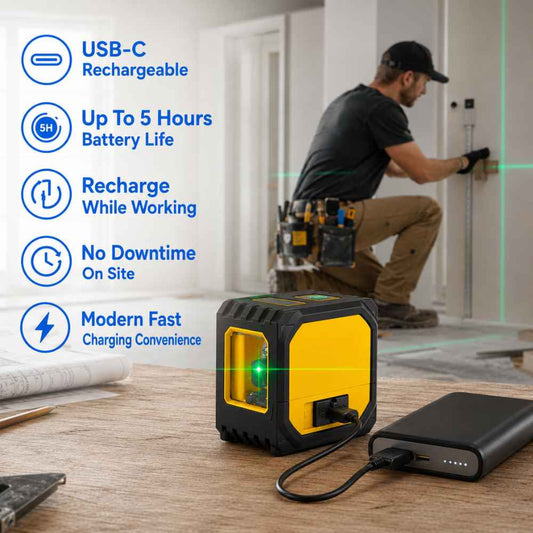
Rechargeable laser level | BeamPro
Regular price From $49.90 USDRegular price -
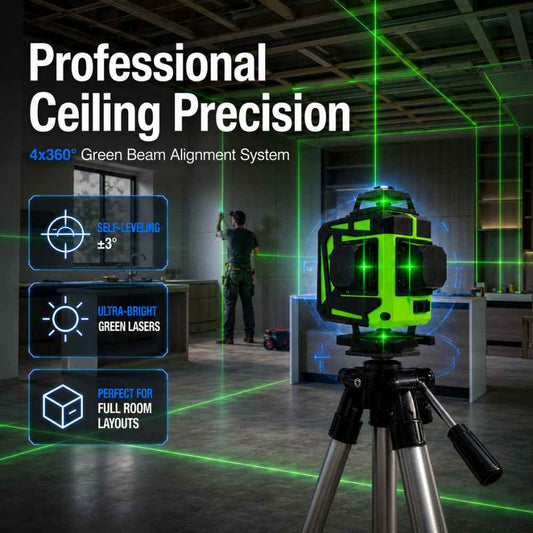
Ceiling laser level | AlignBeam 4D
Regular price From $149.90 USDRegular price















Collection: Laser level tripod
Laser Level Tripod, What to Look for Before You Buy?
Three specifications determine whether a tripod is the right fit for a given setup: thread compatibility, height range, and load capacity. Thread compatibility is non-negotiable, most laser levels use the standard 5/8-11 UNC mount, and any mismatch requires an adapter that adds play to the connection. Height range matters for elevation control; a stand that extends to at least 63 inches covers the majority of interior framing and exterior staking applications. Load capacity, rated in pounds or kilograms, must exceed the weight of your laser housing by a meaningful margin, look for a minimum 11 lb rated stand for any outdoor or heavy-duty use.

Levelling Laser With Tripod, Field Insights From Dane Spruill?
I have worked on residential builds across the Nashville area where a single degree of tripod leg flex translated to a 3/8-inch lateral offset at the mount head, enough to invalidate a full floor layout and cost a half-day of re-work on a framing crew. The problem was consistently the same: a lightweight indoor-rated stand with a single-lock leg mechanism running on uneven exterior ground, a spec mismatch the job site exposed inside the first hour. The collection here was assembled to address both indoor stability requirements and outdoor load conditions, and if you want a full breakdown of what those specs mean in practice, the laser level tripod compatibility and setup on coming guide covers thread adapters, load ratings, and leg-lock classifications in detail.
Laser Level With Tripod, Which Setup Matches Your Work ?
If you are a DIY renovator hanging cabinets or leveling a single room, a compact adjustable aluminum tripod in the $50–$100 range provides the stability you need without excess bulk. If you are a tile setter or finish carpenter running full-day interior layout, a mid-range stand with a quick-release plate and independently adjustable legs holds its position through repeated repositioning without requiring re-calibration between moves. If you are a general contractor or site foreman managing large open-site layout and foundation work, a heavy-duty floor stand rated above 11 lbs with a double-lock leg mechanism is the correct build for surfaces that shift under load. Contractor-grade options are at the top of the grid; entry-level aluminum stands are listed below.
Each tripod in this collection was assessed for leg-lock retention under sustained load, thread engagement depth, and extension stability across a range of surface conditions.
